ရွမ္းလူမ်ိဳးမ်ားသည္ တရုပ္ျပည္ေတာင္ပိုင္းမွ အလယ္ပိုင္းသို႔ လမ္းေၾကာင္း ၃ ေၾကာင္း ခြဲ၍
ဆင္းသက္လာၾကရာ ဂံုရွမ္းလူမ်ိဳးမ်ားသည္ ျမန္မာႏိုင္ငံ အေရွ ႔ပိုင္း သံလြင္ျမစ္ ႏွင့္ မဲေခါင္ျမစ္
အေနာက္လမ္းေၾကာင္းအတိုင္း ရွမ္းျပည္နယ္ အေရွ ႔ပိုင္းသို႔ ေရာက္ရွိလာၾကသည္။က်ိဳင္းတံု
ေဒသ နမ့္ခင္ေခ်ာင္းေဘးတြင္ ေနထိုင္ၾကေသာ ရွမ္းမ်ားျဖစ္သည္ႏွင့္အညီ နမ့္ခင္ေခ်ာင္းကို
အစြဲျပဳ၍ တို္င္းခင္ (ခ) ဂံုရွမ္း ဟုေခၚေ၀ၚခဲ့ၾကသည္..။ ဂံုရွမ္းလူမ်ိဳးမ်ားသည္ ရွမ္းကိုးျပည္၀င္
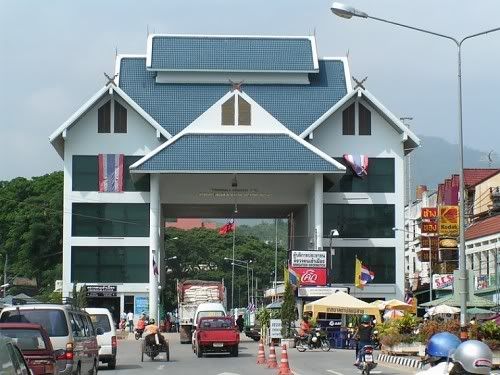
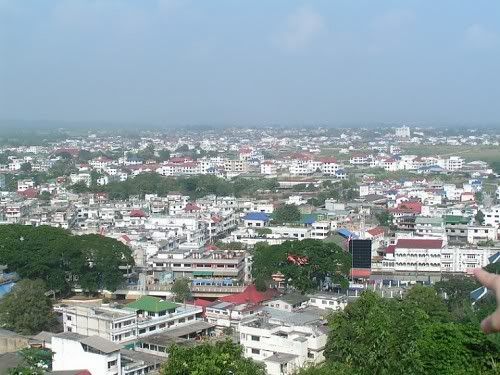
က်ိဳင္းတံုျမိဳ ႔တြင္ ေနထိုင္လ်က္ ရွိသည္။က်ိဳင္းတံုျမိဳ ႔ကို ေရွးယခင္က စႏၵာရကြမ္း ၊ ေခမရဋ္ ၊
တံုဂပူရိ စသည္ျဖင့္ ေခၚေ၀ၚခဲ့ၾကသလို ေခမာ၀ရ တိုင္းဂံုျပည္ ဟုလည္း ေခၚေ၀ၚခဲ့ၾကသည္။
ေကာဇာသကရာဇ္ ၆၀၅ AD -1243 မွစ၍ ေကာဇာသကရာဇ္ ၁၃၂၄ ခုႏွစ္ AD – 1962 အထိ
အုပ္ခ်ဳပ္ခဲ့ေသာ ေစာ္ဘြားဦးေရမွာ စုစုေပါင္း (၄၉)ပါးရွိသည္။ ဂံုရွမ္း စာေပ ယဥ္ေက်း မွာ ေရွး
ယခင္ ကပင္ ရွိခဲ့သည္။ ဂံုရွမ္း စာေပမ်ားသည္ အိႏၵိယ ျပည္သံုး Brahmi ႏွင့္ Sunskit အကၡရာ
တို႔ မွ တဆင့္ ပလႅ၀ အကၡရာ အျဖစ္အသံုုးျပဳျပီး ခမင္ (ခ) ခမာ လူမ်ိဳးမ်ားမွ တဆင့္ ထိုင္းႏိုင္ငံ
လာအို ၊ဇင္းမယ္ ၊က်ိဳင္းတံုတို႔ မွတဆင့္ ဆစ္ေဆာင္ပန္နား အထိ အသံုးျပဳခဲ့ၾကသည္။ရွမ္းျပည္
နယ္ေျမာက္ပိုင္း ၀ နယ္ ဟိုပန္ ၊ ကြန္လံု ၊ သိႏီၵ ႏွင့္ နမ့္ဆန္ တို႔တြင္ လည္း ထိုစာေပ သံုးဆြဲမႈ
ကိုေတြ႔ရသည္။ ဂံုရွမ္းတို႔ ၏ ရိုးရာ ထံုးစံ ထူးျခားခ်က္မွာ ႏွစ္သစ္ကူးပြဲေတာ္ ျဖစ္သည္။
သမိုင္းအက်ဥ္းခ်ဳပ္မွာ ဖရား ေက်ာက္မထု က်ိဳင္းတံုျမိဳ ႔ ကိုအုပ္ခ်ဳပ္စဥ္ သကၠရာဇ္ ၇၇၂ ခုႏွစ္
တြင္ ေဟြပြန္ ဟူေသာေနရာ မီးေလာင္က်ြမ္းခဲ့ရာမွ မေမွ်ာ္လင့္ဘဲ တစ္နယ္လံုး မိုးေခါင္ ေရရွား ျဖစ္သျဖင့္
ငတ္မြတ္ေခါင္းပါးသည့္ကပ္ဆိုးၾကီးႏွင့္ ရင္ဆိုင္ခဲ့ရသည္။ထိုအခါ ဖရားေက်ာက္မထု က ပုဏၰားမ်ား အား
တြက္ခ်က္ေစေသာအခါ ဥတၱမ အမည္ ရွိ ပုဏၰားက က်ိဳင္းတံုျမိဳ ႔၏ ေန႔နံသည္ တနလၤာနံ ျဖစ္ေသာေၾကာင့္
ဂံုလူမ်ိဳး အယူရွိသူ တစ္ေယာက္ ၏ ပါးစပ္တြင္ တနလၤာနံ လျခမ္းကို ငံုေစလ်က္ သၾကၤန္ အက်ေန႔တြင
္ သဲပံုေစတီႏွင့္တကြ ဖားရုပ္ကို ပူေဇာ္ပသေပးခ့ဲပါသည္။ထိုေန႔မွပင္ မိုးသည္းထန္စြာ ရြာသြန္းသျဖင့္
ေတာင္သူလယ္သမားမ်ားထြန္ရက္စိုက္ပ်ိဳး ႏိုင္ခဲ့ပါသည္။ ထို႔ေၾကာင့္ သၾကၤန္ကာလ ေရာက္တိုင္း ႏွစ္စဥ္
က်င္းပလာခဲ့ရာ၁၂၆၀ ျပည့္ႏွစ္ တြင္ က်ိဳင္းတံု ျမိဳ ႔ ကို အုပ္ခ်ဳပ္ေသာ ေစာ္ဘြားၾကီး စ၀္ကြန္ေက်ာက္ အင္တလိုင္း က
က်ိဳင္းစံရပ္ကြက္ရွိ ဖယားဇာ အမ်ိဳးအႏြယ္ကို ရိုးရာ သၾကၤန္ပြဲကို ဦးေဆာင္က်င္းပရန္ တာ၀န္ေပးခဲ့သည္။
သၾကၤန္ေန႔ မြန္းလြဲ ၁ နာရီတြင္ မဂၤလာစည္ေတာ္ ကို ထုတ္ျပီး က်ိဳင္းစံ ဘုန္းေတာ္ၾကီးေက်ာင္း ရင္ျပင္ေတာ္မွ
မိုင္းယန္းျမိဳ ႔နယ္ ဟာယန္ကင္း ေတာင္ေပၚေန တိုင္းလြယ္လူမ်ိဳးအဖြဲ ႔ က မဂၤလာစည္ေတာ္ကို ထုတ္တီးကာ
အခမ္းအနားျဖင့္ခ်ီတက္ကာ ညလံုးေပါက္ တီးေပးသည္။ သၾကၤန္အက်ေန႔ မြန္းလြဲ ၁ နာရီတြင္ မဂၤလာစည္ေတာ္ၾကီး ၊
သၾကၤန္မင္း ရုပ္ထုႏွင့္ အလံျဖဴ ၊အလံနီ ကိုင္ေဆာင္သည့္ အဖြဲ ႔ ကို မ်ိဳးႏြယ္၀င္ တစ္ဦး က ျမင္းစီးျပီး
ဦးေဆာင္ကာ စီတန္းလွည့္လွည္ျပီး
မိုင္းယန္းလမ္း အတိုင္း နမ့္ခင္ေခ်ာင္း သို႔ ထြက္ခြာပါသည္။ ထိုအခါ ျပည္သူလူထုက တေပ်ာ္တပါး လိုက္ပါပို႔ေဆာင္
ျပီး လမ္းခရီးတြင္ လည္း ေရပက္ကစားသူမ်ားႏွင့္ စည္ကားလွပါသည္။နမ့္ခင္ေခ်ာင္း ေလာင့္ကုတ္ သို႔ေရာက္ေသာ
အခါ မဂၤလာသုတ္ ရြတ္ဆိုျပီး ရြံ ႔ ျဖင့္ ျပဳလုပ္ေသာ ဖားရုပ္သၾကၤန္မင္း ရုပ္ထုတို႔ကို ေခ်ာင္းထဲသို႔ ေမွ်ာခ်လိုက္ပါ
သည္။မဂၤလာစည္ေတာ္တီး အဖြဲ ႔သည္ လာလမ္းအတိုင္း ျမိဳ ႔ထဲသို႔ ၀င္ကာ ျမိဳ ႔လယ္ရွိ ေဗာဓိပင္ၾကီး၌ ေခတၱ ရပ္
နားပါသည္။ ထိုအခ်ိန္တြင္ ဆြမ္ေတာင္း ဘုန္းေတာ္ၾကီးေက်ာင္းမွ ရဟန္းေတာ္ ၄ ပါး က အသင့္ျပင္ဆင္ထားေသာ
ပရိတ္ေရမ်ားျဖင့္ ပက္ဖ်န္းျပီး အခမ္းအနားကို ရုတ္သိမ္းလိုက္သည္။ သို႔ျဖင့္ က်ိဳင္းတံုျမိဳ ႔ သၾကၤန္ပြဲ ကို ယေန႔ အထိ
က်င္းပဆဲ ျဖစ္ပါသည္။
Unique
tradition of the Gon Shans is the New Year Festival. In Myanmar Era 772
when Phra Kyio Matu was sawbwa of Kengtung there was a big drought and
people were in heavy misery with consequent unstable situations. The
Sawbwa asked the learned astrologers on ways to escape from this
distaster and he was told that accroding their calculations, Kengtung
belonged in the Monday planet but the rulers, being Yun people, were
from the Rahu (or) the second part of Wendnesday planet, So there were
internal conflicts within the planets inself. So to erase these
conflicts the astrologers suggested that 24 Tai Loi people from Moung
Yang area should be summoned be Kengtung. After they are dressed in red
and white robes they are then to beat auspicious drum, hung inside the
compound of the Sao Lon Kart (nat shrine) from the 1.00 p.m on the
Seecond day of the eve of the New Year.
On the Second day of the eve
of the New Year the drum is taken from its place. Then a representative
of the Zar people who by traditions is allowed to wear the cloths of
Sankarm (Sakra) will follow on a horse behind the drum and a papier
mache images of Sankarm (Sakra) and the procession will follow the
Loimwe-Mong Yang Road towords Long Kop on the Nam Hkun creek. The people
lining the procession route will sprinkle scented water on the
procession for good luck.
A clay statue of a frog, representing
the Rahu planet, with a cresent moon, representing the Monday planet, is
constructed on the bank of the creek and when the procession reach the
place elder persons will recite the Mingala sutra and everybody kowtows.
Then both the staute of the frog and Sankarm (Sakra) are sent down the
creek. The Tai Loi people bring back the drum to the original routed and
when the drum reaches the Maha Muni Pagoda, 4 monks from Wat Son Hkam
monastery, which is situated under the banyan tree supposed to house the
guardian spirit of Kengtung, will recite the Mingala sutra and rehang
it back at wat kengzan Monastery. As the ceremony ended the heavens
opened up with a deluge and everybody was happy. This tradition started
in Myanmar Era 772 and carried on up till now annually.
ေရႊမင္းသား